There’s a moment on a Ngorongoro Crater safari when your vehicle descends through the morning mist and the entire crater floor opens below you. Herds of zebra move across golden grasslands, lions rest near the road, and flamingos shimmer along a distant lake. It feels less like a national park and more like stepping into a hidden world.
Located in northern Tanzania, the Ngorongoro Crater is the world’s largest intact volcanic caldera and one of Africa’s most remarkable wildlife destinations. Because animals live inside this natural enclosure year-round, visitors experience extraordinary wildlife sightings in just one day.
For travelers planning their dream safari, Ngorongoro offers something truly rare: dramatic scenery, dense wildlife, and a perfectly contained ecosystem. Here’s everything you need to know before visiting this unforgettable destination.
Why Ngorongoro Crater Is So Unique
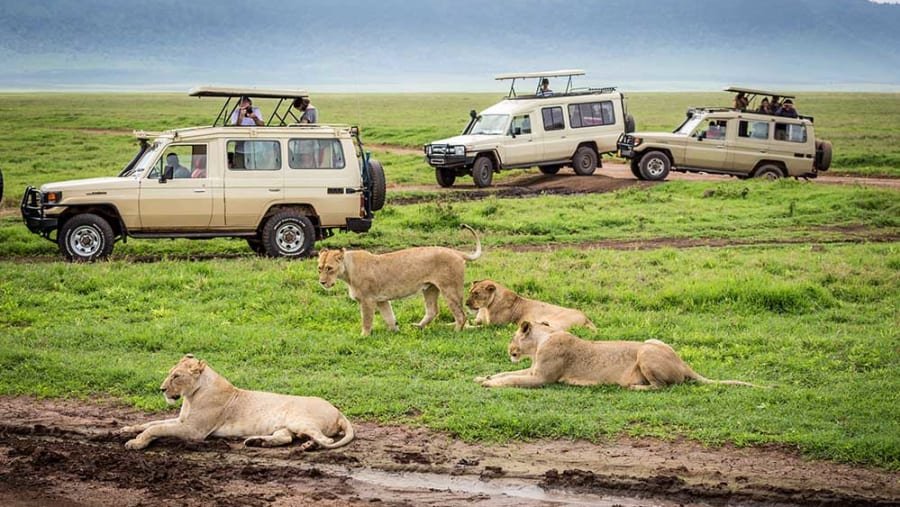
The Ngorongoro Crater formed over two million years ago when a massive volcano collapsed inward, creating a natural bowl nearly 600 meters deep and about 19 kilometers wide. Today, this geological wonder hosts one of the densest concentrations of wildlife in Africa.
Because the crater acts as a natural enclosure, many animals remain inside year-round. This creates exceptional wildlife viewing opportunities with minimal driving. Within a single day, visitors often see:
- Lions resting on open plains
- Large-tusked elephants in the swamps
- Buffalo herds crossing the grasslands
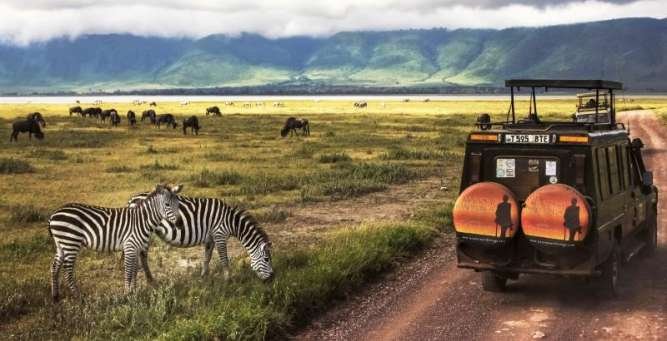
- Zebras and wildebeest grazing together
- Hippos in freshwater pools
- Hyenas roaming the crater floor
- Flamingos at Lake Magadi
The crater’s diverse habitats — grassland, forest, swamp, and lake — support an incredible range of animals in a relatively small area. This variety makes every drive feel packed with sightings.
Another highlight is the scenery itself. The steep crater walls surround you completely, creating a dramatic and immersive safari experience unlike anywhere else.
Best Time to Visit Ngorongoro Crater
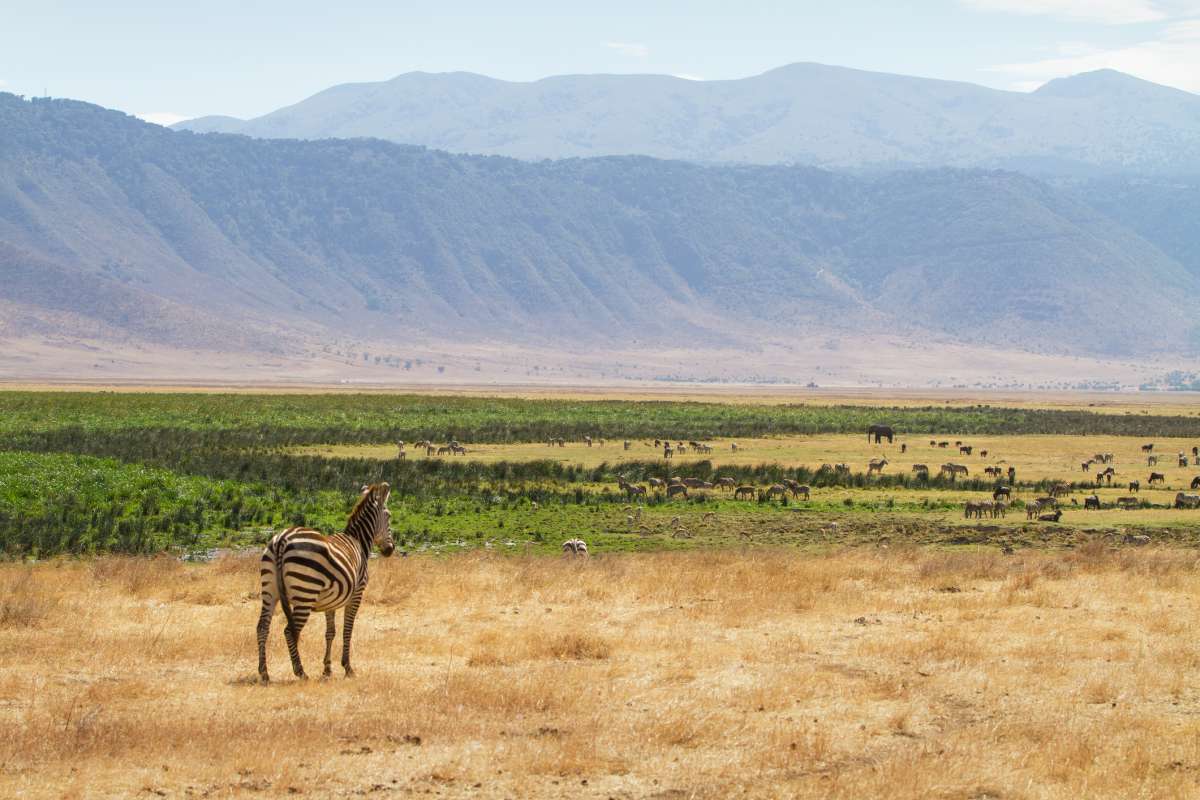
Ngorongoro Crater is one of the few safari destinations that offers excellent wildlife viewing throughout the entire year. Since most animals live within the crater, sightings remain consistent regardless of season.
June to October is considered the dry season. During this time, grass is shorter and wildlife is easier to spot. The weather is also cooler and ideal for full-day game drives.
December to March brings lush green scenery and newborn animals. This period is especially beautiful for photography and often features active predator sightings.
April and May are wetter months, but they offer fewer crowds and vibrant landscapes. The crater remains open, and wildlife viewing is still very rewarding.
Game drives usually begin early in the morning, when animals are most active. Descending into the crater at sunrise is often one of the most memorable moments of the entire safari.
What to Expect on a Ngorongoro Crater Safari
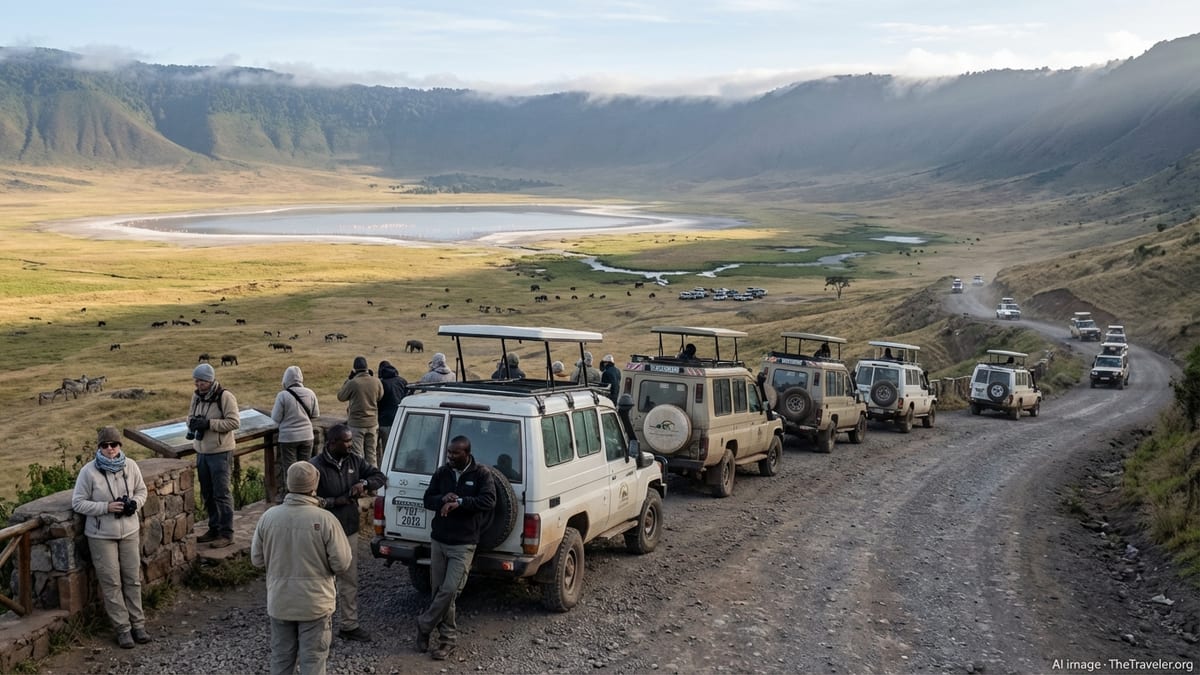
A typical Ngorongoro Crater safari begins early in the morning from the crater rim. After descending the steep road, you immediately begin spotting wildlife across the open plains.
Game drives usually last most of the day, with a picnic lunch near a hippo pool. During the drive, your guide navigates through different habitats, maximizing opportunities to see a wide range of animals.
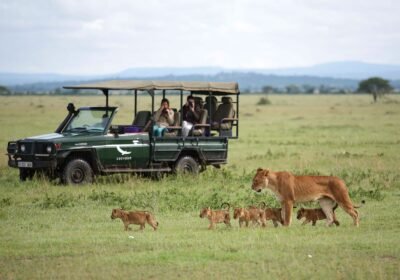
The experience feels immersive because wildlife often appears close to the vehicle. Lions may rest nearby, elephants may cross the road, and zebras frequently graze just meters away.
Another special feature is the sense of scale. The crater walls rise dramatically around you, creating a feeling of being inside a natural amphitheater filled with wildlife.
By late afternoon, vehicles ascend back to the rim, often with incredible views across the crater floor as the sun begins to set.
Planning Your Ngorongoro Crater Visit
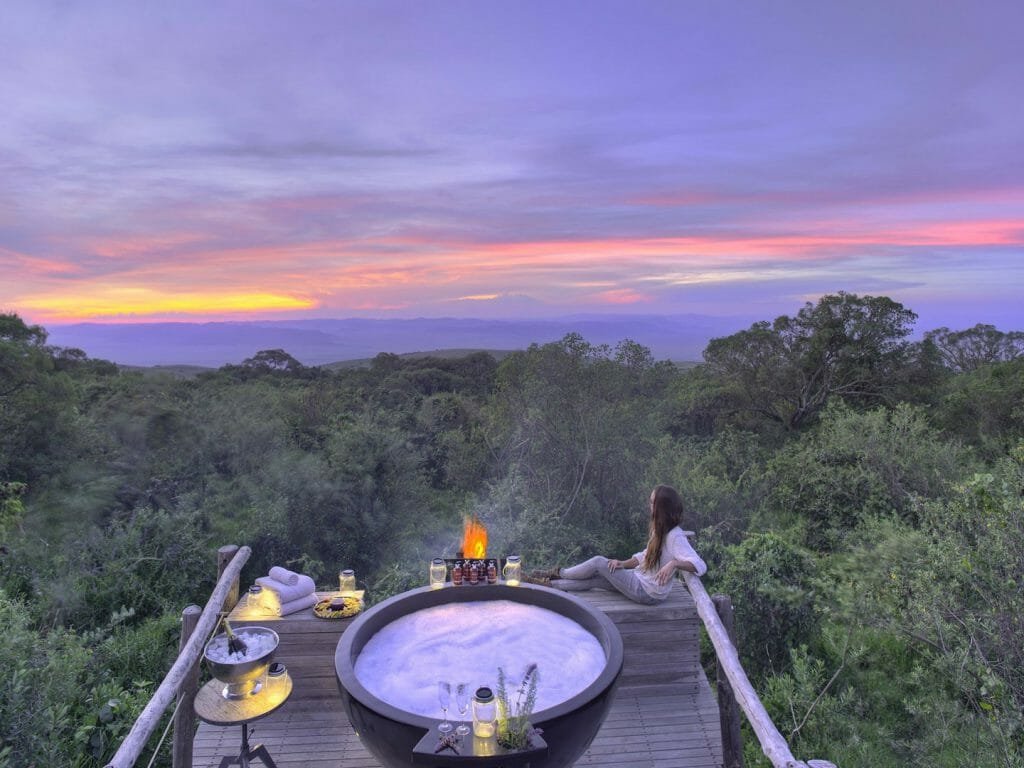
Most travelers visit Ngorongoro as part of a northern Tanzania safari route. Staying on or near the crater rim allows for early access and spectacular sunrise views.
Accommodation ranges from luxury lodges with panoramic crater views to comfortable tented camps nearby. Choosing the right location helps maximize time inside the crater.
Because access to the crater is controlled, only a limited number of vehicles enter each day. This helps preserve the environment and keeps the experience exclusive.
Working with experienced safari planners ensures proper timing, comfortable logistics, and the best wildlife viewing opportunities.
A Ngorongoro Crater safari delivers one of Africa’s most unforgettable wildlife experiences. From the dramatic descent into the crater to close encounters with lions, elephants, and flamingos, every moment feels extraordinary.
The combination of stunning scenery, reliable wildlife sightings, and a compact ecosystem makes Ngorongoro a highlight of any East Africa journey. Whether you’re visiting for the landscapes, the animals, or the photography opportunities, the crater offers a safari experience unlike any other.
Want expert help planning your Uganda safari? Book a free 20-minute consultation with Emmanuel via our contact us page