Best Time to Visit East Africa: Complete Seasonal Guide for Gorilla Trekking & Wildlife Safaris
Planning your East African adventure involves more than just booking flights—it requires understanding the region’s distinct seasons and how they impact wildlife viewing, gorilla trekking conditions, and overall travel experiences. From the dry savannahs of the Serengeti to the misty forests of Bwindi, timing your visit can transform a good safari into an extraordinary one. This comprehensive guide breaks down East Africa’s seasons month by month, helping you choose the perfect time for your dream adventure.
Understanding East Africa’s Climate: Two Main Seasons
East Africa experiences two primary seasons that shape wildlife behavior and travel conditions:
Dry Seasons (Peak Safari Times)
- Long Dry Season: June through October
- Short Dry Season: December through February
- Characteristics: Minimal rainfall, cooler temperatures, concentrated wildlife
- Best for: Classic safari experiences, easier gorilla trekking
Green Seasons (Shoulder & Low Seasons)
- Long Rains: March through May
- Short Rains: October through November (varies by region)
- Characteristics: Lush landscapes, migratory birds, fewer tourists
- Best for: Photography, budget travel, birdwatching
Month-by-Month Guide to East Africa Travel
January & February: The Sweet Spot
- Weather: Warm, dry, minimal rainfall
- Wildlife viewing: Excellent—animals gather around remaining water sources
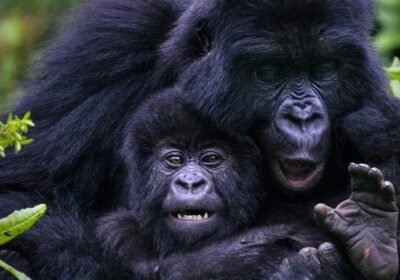
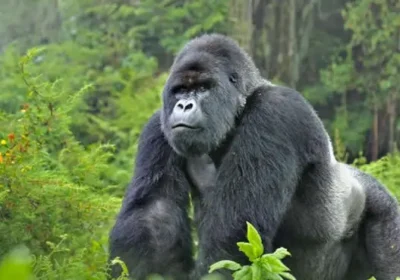
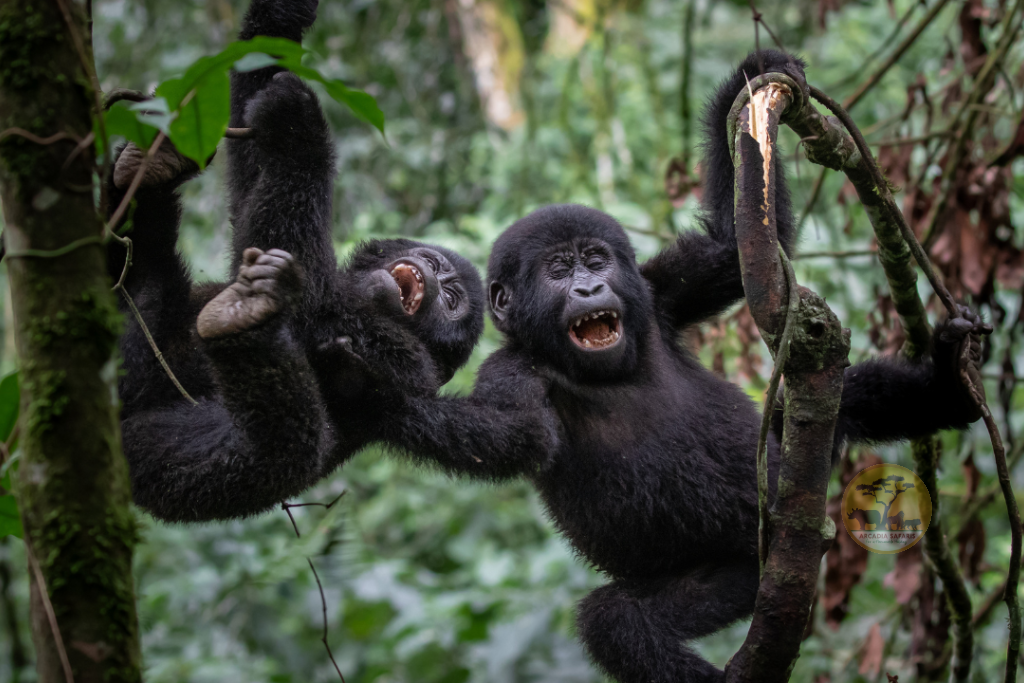
- Gorilla trekking: Good conditions with firm trails
- Crowds: Moderate (post-holiday period)
- Special events: Calving season in southern Serengeti begins
- Best for: Combining gorilla trekking with classic safaris
March, April & May: The Long Rains
- Weather: Heaviest rainfall, high humidity
- Wildlife viewing: Challenging—lush vegetation hides animals
- Gorilla trekking: Muddy trails but fewer tourists
- Crowds: Lowest of the year
- Special events: Migratory bird populations peak
- Best for: Budget travelers, photographers, bird enthusiasts
June, July & August: Peak Safari Season
- Weather: Cool, dry, excellent conditions
- Wildlife viewing: Spectacular—Great Migration river crossings in Masai Mara
- Gorilla trekking: Optimal conditions with clear trails
- Crowds: Highest of the year
- Special events: Wildebeest migration peaks in Kenya/Tanzania
- Best for: First-time visitors, wildlife spectacle seekers
September & October: Extended Dry Season
- Weather: Warming up, very dry
- Wildlife viewing: Excellent—animals concentrated at waterholes
- Gorilla trekking: Very good conditions
- Crowds: High in September, decreasing in October
- Special events: End of migration season
- Best for: Photographers, serious wildlife enthusiasts
November & December: Transition Period
- Weather: Short rains in November, drying in December
- Wildlife viewing: Good—landscapes turning green
- Gorilla trekking: Variable—can be wet but manageable
- Crowds: Low in November, increasing in December
- Special events: Bird migrations, holiday season travel
- Best for: Those wanting shoulder season benefits
Gorilla Trekking: Seasonal Considerations
Best Months for Gorilla Trekking
- Optimal conditions: June-September, December-February
- Trail conditions: Firm, less muddy, easier hiking
- Gorilla behavior: More predictable movements
- Photography: Better light, clearer conditions
- Permit availability: Book 6-9 months in advance
Green Season Gorilla Trekking
- Months: March-May, October-November
- Trail conditions: Muddy, more challenging
- Advantages: Fewer tourists, lush photography backgrounds
- Preparation: Waterproof gear, good hiking boots
- Permit availability: Easier to obtain, sometimes last-minute
Wildlife Safaris: Seasonal Highlights
Great Migration Calendar
- December-April: Southern Serengeti (Tanzania) calving season
- May-June: Western corridor movement
- July-October: Masai Mara (Kenya) river crossings
- November-December: Return to southern Serengeti
- Planning tip: Different regions offer different experiences each month
Predator Viewing Seasons
- Best months: Dry seasons (June-Oct, Dec-Feb)
- Why: Concentrated prey around water sources
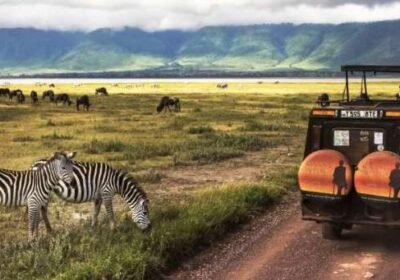
- Hotspots: Masai Mara, Serengeti, Ngorongoro Crater
- Special considerations: Early morning and late afternoon drives
Birdwatching Seasons
- Peak diversity: November-April (migrant species present)
- Resident birds: Year-round but more visible in dry season
- Special habitats: Wetlands, forests, lakes (Lake Nakuru, Queen Elizabeth)
- Best regions: Uganda (1,000+ species), Kenya’s Rift Valley lakes
Combining Gorilla Trekking with Wildlife Safaris
Optimal Combination Months
- January-February: Good balance for both experiences
- June-September: Peak for both but crowded
- October-November: Transition period with fewer crowds
- Considerations: Travel distances between gorilla forests and savannah parks
Sample Combination Itineraries
- Uganda combo: Bwindi gorillas + Queen Elizabeth National Park (year-round)
- Rwanda combo: Volcanoes gorillas + Akagera National Park (dry seasons best)
- East Africa grand tour: Gorillas + Serengeti/Masai Mara (season-dependent)
- Planning tip: Allow 10-14 days for comprehensive combination safaris
Practical Considerations by Season
Dry Season Travel (June-October, December-February)
- Packing: Layered clothing, sun protection, binoculars
- Accommodation: Book 6-12 months in advance
- Costs: Peak season rates apply
- Health: Lower malaria risk, still need prophylaxis
- Photography: Golden hours optimal, midday harsh light
Green Season Travel (March-May, October-November)
- Packing: Waterproof layers, insect repellent, quick-dry clothing
- Accommodation: More availability, possible discounts
- Costs: Shoulder/low season rates often 20-40% lower
- Health: Higher mosquito activity, comprehensive prophylaxis needed
- Photography: Soft light, dramatic skies, lush backgrounds
Regional Variations Within East Africa
Kenya & Tanzania (Savannah Regions)
- Climate: More pronounced dry/wet seasons
- Best wildlife viewing: Dry seasons absolutely optimal
- Special considerations: Migration patterns dictate timing
- Microclimates: Coastal areas more humid, highlands cooler
Uganda & Rwanda (Forest & Mountain Regions)
- Climate: More equatorial, rain possible year-round
- Gorilla trekking: Possible year-round with preparation
- Special considerations: Altitude affects temperatures
- Microclimates: Forest interiors cooler and wetter
Making Your Decision: Key Factors to Consider
Primary Safari Goals
- Wildlife spectacle seekers: Dry season (especially migration periods)
- Gorilla-focused travelers: Dry season for easier trekking
- Photographers: Green season for dramatic scenes, dry for wildlife clarity
- Budget travelers: Green season for lower costs
- Bird enthusiasts: November-April for migrant species
Personal Preferences
- Crowd tolerance: Dry season = crowds, Green season = solitude
- Physical fitness: Dry season = easier trekking
- Budget: Significant cost differences between seasons
- Time constraints: Fixed dates may dictate season
- Special interests: Specific wildlife events or photographic goals
Conservation & Sustainable Travel Considerations
Seasonal Impact on Parks & Communities
- Peak season: Higher revenue but more pressure on ecosystems
- Shoulder season: More sustainable visitor distribution
- Community benefits: Year-round employment better with balanced tourism
- Park management: Maintenance often scheduled in low seasons
Responsible Travel Choices
- Consider shoulder seasons: Reduces pressure on popular sites
- Visit less-crowded parks: Distributes tourism benefits
- Work with ethical operators: Those practicing seasonal rotation
- Respect seasonal closures: Some areas close for regeneration
Ready to Plan Your Perfectly Timed East African Adventure?
Get Seasonal Safari Advice
- Browse Safari Packages by Season – Find options for your travel dates
- Explore East African Destinations – Learn about regional seasonal variations
- Get Personalized Seasonal Advice – Our experts know the best timing for your goals
Take the Next Step
Need help choosing dates? Schedule a seasonal planning consultation with our East Africa specialists.
Related Reading:
- Gorilla Trekking Safari Costs in Uganda & Rwanda
- Uganda Wildlife Safari Experiences Beyond Gorilla Trekking
- Complete African Safari Planning Guide
Timing is everything in East Africa. The right season can mean the difference between good wildlife viewing and extraordinary encounters, between challenging trekking and memorable adventures. At Bashem Safaris, we understand these seasonal nuances intimately and can help you plan your visit during the perfect time for your specific interests and preferences. Contact us today to start planning your seasonally optimized East African adventure.
Ready to Turn Inspiration Into a Safari?
You have been reading about it. Now let us help you plan it. Every safari we design is custom-built , your dates, your pace, your budget.