Packing for an East African safari is exciting, but it can also feel overwhelming.
Do you need hiking boots? Will it be hot all day? How cold does it get in the mornings? Can you wear bright colors? What if you forget something important?
These are some of the most common questions first-time safari travelers ask.
The good news is that packing for a safari doesn’t require expensive gear or a suitcase full of clothes. In fact, the best safari packing list focuses on comfort, practicality, and versatility.
Whether you’re traveling to Kenya, Tanzania, Uganda, or Rwanda, this guide will help you pack everything you need for an unforgettable East African adventure.
Choose Comfortable, Neutral-Colored Clothing
When it comes to safari clothing, less is often more.
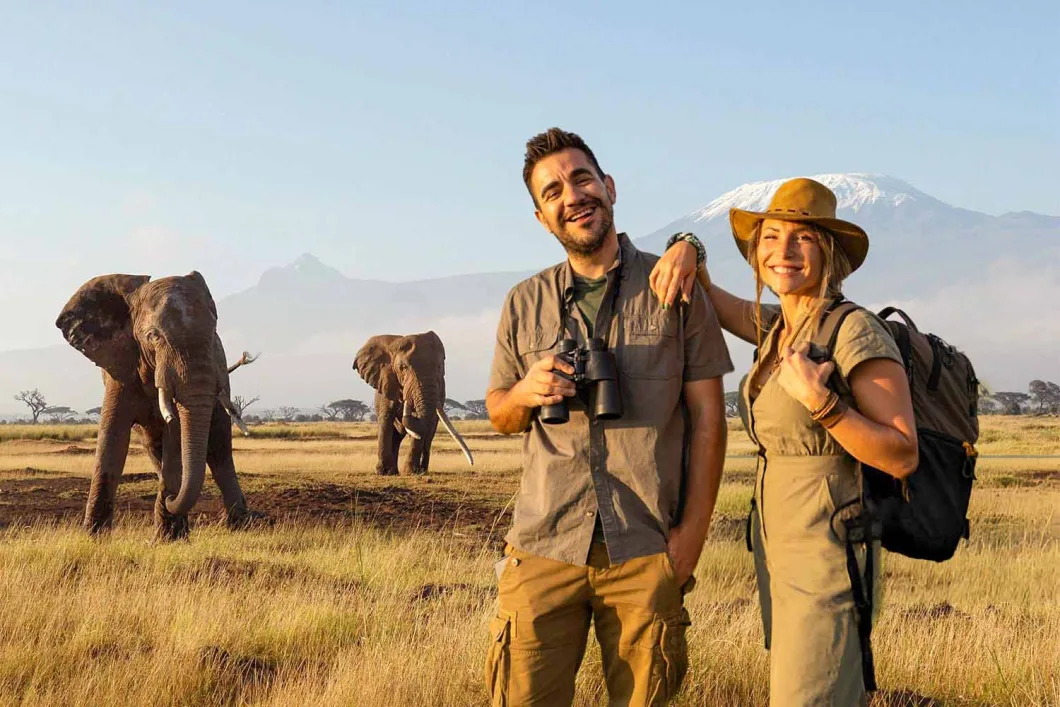
Choose lightweight, breathable clothing in neutral colors such as:
- Khaki
- Olive green
- Beige
- Brown
- Light gray
These colors blend into the environment, stay cooler in the sun, and are less attractive to insects.
Avoid:
- Bright reds, yellows, or neon colors
- Camouflage clothing (restricted in some countries)
- Dark blue or black clothing in areas where tsetse flies are present
Comfort is far more important than fashion.
Dress in Layers
Many people expect Africa to be hot all day.
The reality is different.
Early morning game drives can be surprisingly chilly, especially at higher elevations or during the dry season.
As the day warms up, temperatures rise quickly.
Pack:
- A lightweight fleece or sweater
- A light waterproof jacket
- Long-sleeved shirts
- T-shirts for warmer afternoons
Layering allows you to stay comfortable throughout the day.
Don’t Forget Comfortable Footwear
You don’t need heavy mountain boots for most safaris.
Instead, bring:
- Comfortable walking shoes or trail shoes
- Lightweight hiking boots (if gorilla or chimpanzee trekking)
- Sandals for relaxing at the lodge
Your feet will thank you after long travel days.
Essential Safari Accessories
Small accessories can make a big difference.
Be sure to pack:
- Sunglasses
- Wide-brimmed hat or cap
- Sunscreen (SPF 30 or higher)
- Lip balm
- Binoculars
- Camera with extra batteries and memory cards
- Reusable water bottle
- Small day backpack
These items will make your safari much more comfortable and enjoyable.
Health and Personal Care Items
Bring a small personal medical kit that includes:
- Prescription medications
- Insect repellent
- Hand sanitizer
- Wet wipes
- Basic first-aid supplies
- Motion sickness medication (if needed)
- Pain relievers
- Malaria medication (if recommended by your doctor)
It’s always better to have these items with you than to search for them during your trip.
Don’t Overpack
One of the biggest mistakes first-time safari travelers make is bringing too much.
Most safari lodges offer laundry services, allowing you to pack fewer clothes.
If your itinerary includes small bush flights, luggage is often limited to soft-sided bags weighing around 15 kg (33 lbs).
Packing light makes traveling between destinations much easier.
Bonus Items You’ll Be Glad You Packed
These aren’t essential, but many travelers are happy they brought them:
- A power bank for charging devices
- Universal travel adapter
- Travel pillow
- Lightweight rain poncho
- Journal or notebook
- Camera lens cleaning cloth
- Small flashlight or headlamp
These little extras can make your journey even more enjoyable.
Packing for an East African safari doesn’t have to be complicated.
Focus on comfortable clothing, practical accessories, and lightweight luggage. Remember that safari is about enjoying the experience, not wearing the perfect outfit.
With the right preparation, you’ll spend less time worrying about what you packed and more time enjoying breathtaking landscapes, incredible wildlife, and unforgettable adventures.
The best thing you can bring on safari isn’t something that fits in your suitcase: it’s a sense of curiosity and adventure.
Want expert help planning your East Africa safari? Book a free 20-minute consultation with Emmanuel via our contact us page