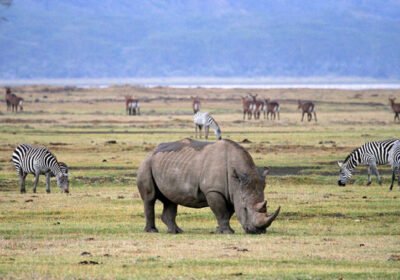
An East African safari is about more than incredible wildlife.
Yes, you’ll see lions, elephants, giraffes, and zebras roaming across the savannah. But one of the most memorable parts of the journey often has nothing to do with animals.
It’s meeting the Maasai people.
Known for their vibrant red clothing, intricate beadwork, and centuries-old traditions, the Maasai are one of Africa’s most recognizable and respected communities. Their way of life has been passed down through generations, preserving a rich cultural heritage while adapting to the modern world.
For many travelers, spending time in a Maasai village offers a deeper understanding of East Africa, not just its landscapes and wildlife, but also the people who have called this region home for centuries.
Who Are the Maasai?
The Maasai are a semi-nomadic ethnic group who primarily live in southern Kenya and northern Tanzania, often near some of East Africa’s most famous wildlife reserves, including the Masai Mara and Serengeti.
For generations, they have maintained a close relationship with nature and livestock, especially cattle, which play an important role in their culture and economy.
Despite the growth of modern cities and technology, many Maasai communities continue to preserve their language, customs, ceremonies, and traditional lifestyle while also embracing education, conservation, and tourism.
Daily Life in a Maasai Community
Life in a Maasai village revolves around family, community, and livestock.
Each day often begins early as herders lead cattle, goats, or sheep to grazing areas while women care for the home, prepare meals, and create beautiful handmade beadwork.
Children attend school in many communities while also learning traditional customs from parents and elders.
Homes, known as manyattas, are traditionally built using natural materials such as mud, sticks, and grass. These homes are designed to provide shelter from the elements while blending naturally into the surrounding landscape.
Although daily life may seem simple, it reflects generations of knowledge, resilience, and cooperation.
The Meaning Behind Maasai Traditions
Many visitors recognize the Maasai for their famous jumping dance, known as the Adumu.
Performed during celebrations and important ceremonies, the dance is a symbol of strength, endurance, and unity within the community.
Another striking feature of Maasai culture is their colorful beadwork.
Every necklace, bracelet, and ornament carries meaning. Different colors can symbolize qualities such as:
- Courage
- Peace
- Unity
- Prosperity
- Love
These handcrafted pieces are more than beautiful souvenirs, they represent generations of artistic tradition and cultural identity.
Living Alongside Wildlife
One of the most remarkable aspects of Maasai life is the long history of living alongside wildlife.
For centuries, Maasai communities have shared the landscape with elephants, lions, zebras, giraffes, and countless other animals.
Today, many Maasai communities play an important role in wildlife conservation by working with national parks, conservancies, and safari operators to protect habitats while creating sustainable opportunities through tourism.
Their deep understanding of the land has helped preserve some of East Africa’s most iconic ecosystems.
Visiting a Maasai Village
Adding a Maasai village visit to your safari allows you to experience a different side of East Africa.
During a respectful cultural visit, you may:
- Learn about Maasai history and traditions
- Tour a traditional manyatta
- Watch cultural dances
- See local beadwork demonstrations
- Speak with community members
- Support local artisans by purchasing handmade crafts
These visits provide valuable income for many communities while giving travelers a meaningful cultural experience.
The key is to visit through responsible tour operators who work directly with local communities and ensure tourism benefits the people who share their traditions.
Why Meeting the Maasai Makes Your Safari More Meaningful
Wildlife is one reason people travel to East Africa.
Culture is another.
Meeting the Maasai reminds visitors that East Africa is not only home to extraordinary animals but also to extraordinary people with rich histories, strong traditions, and deep connections to the land.
The experience adds depth to your safari, transforming it from a wildlife adventure into a journey of learning, understanding, and appreciation.
The Maasai people are an essential part of East Africa’s identity. Their traditions, resilience, craftsmanship, and relationship with nature have inspired travelers from around the world for generations.
A visit to a Maasai community offers more than beautiful photographs: it provides a chance to connect with one of Africa’s most iconic cultures in a respectful and meaningful way When you combine wildlife, landscapes, and authentic cultural experiences, your East African safari becomes far more than a vacation. It becomes a journey you’ll never forget.
Want expert help planning your East Africa safari? Book a free 20-minute consultation with Emmanuel via our contact us page