Bwindi Gorilla Trekking Explained: What Makes This Park the Best in Africa
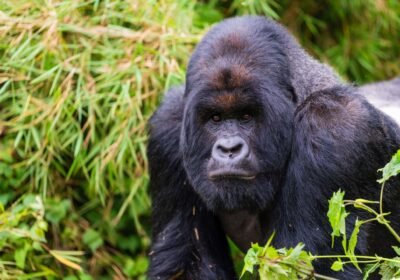
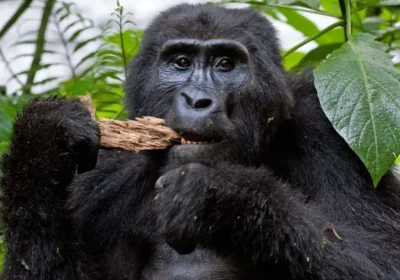
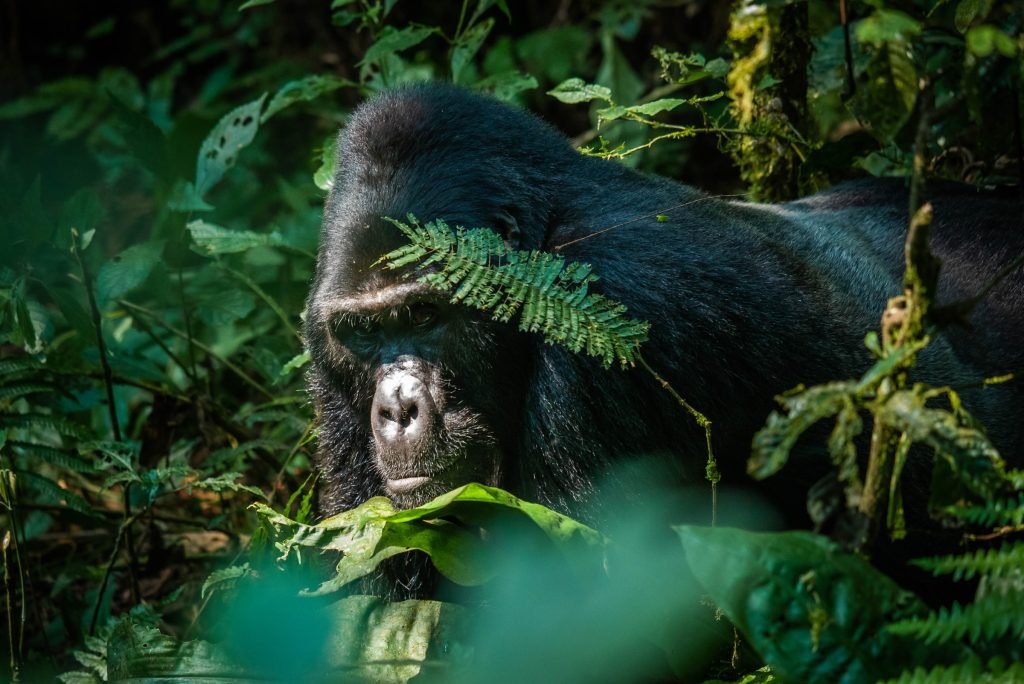
Deep in southwestern Uganda lies a forest so dense it was named “Impenetrable”—Bwindi Impenetrable National Park, home to approximately half of the world’s remaining mountain gorillas. This UNESCO World Heritage Site isn’t just another wildlife destination; it’s the epicenter of gorilla conservation and the most reliable place on Earth to encounter these magnificent primates in their natural habitat. With over 459 mountain gorillas divided among 19 habituated families, Bwindi offers unparalleled gorilla trekking experiences that combine raw adventure, profound wildlife encounters, and meaningful conservation impact.
Why Bwindi Stands Above Other Gorilla Destinations
The Numbers Tell the Story
- Gorilla population: ~459 individuals (approximately 50% of world total)
- Habituated families: 19 groups available for trekking
- Success rate: Over 98% daily sighting probability
- Park size: 331 square kilometers of pristine rainforest
- Biodiversity: 120 mammal species, 350 bird species, 200 butterfly species
- UNESCO status: World Heritage Site since 1994
Unique Advantages of Bwindi
- Population density: Highest concentration of mountain gorillas anywhere
- Experience diversity: Four different trekking sectors with distinct characteristics
- Authenticity: Less commercialized than Rwanda, more “wild” feeling
- Value: $800 permits vs. $1,500 in Rwanda
- Combination potential: Easy to combine with chimpanzee tracking and savannah safaris
- Community integration: Strong local involvement in conservation and tourism
The Four Trekking Sectors of Bwindi
1. Buhoma Sector (Northern)
- Accessibility: Most developed, easiest road access
- Gorilla families: Mubare, Habinyanja, Rushegura, Katwe
- Trekking difficulty: Moderate, good for first-timers
- Accommodation: Widest range from budget to luxury
- Additional activities: Community walks, waterfall hikes, nature walks
- Best for: First-time trekkers, those wanting comfort and options
2. Ruhija Sector (Eastern)
- Elevation: Highest sector (2,100-2,600 meters)
- Gorilla families: Bitukura, Oruzogo, Kyaguriro
- Trekking difficulty: Moderate to challenging
- Scenery: Stunning views over “Switzerland of Africa” landscape
- Birding: Excellent for Albertine Rift endemics
- Best for: Birdwatchers, photographers, those seeking cooler temperatures
3. Rushaga Sector (Southern)
- Gorilla density: Highest number of habituated families
- Gorilla families: Nshongi, Mishaya, Bweza, Kahungye, Busingye
- Trekking difficulty: Variable, some families quite accessible
- Unique offering: Habituation experience available (full-day gorilla tracking)
- Community: Strong Batwa cultural experiences available
- Best for: Those wanting maximum gorilla family options, habituation experiences
4. Nkuringo Sector (Southwestern)
- Scenery: Most dramatic with views of Virunga volcanoes
- Gorilla families: Nkuringo, Bushaho
- Trekking difficulty: Most challenging, steep terrain
- Exclusivity: Fewer visitors, more remote feeling
- Fitness requirement: Good physical condition recommended
- Best for: Experienced trekkers, those seeking challenge and solitude
The Bwindi Gorilla Trekking Experience
A Typical Trekking Day
- 6:00 AM: Briefing at park headquarters about rules and gorilla etiquette
- 6:30 AM: Assignment to gorilla family based on fitness and preferences
- 7:00 AM: Begin trek with guide, armed ranger, and optional porter
- Variable time: Trek through forest (1-6 hours depending on gorilla location)
- Gorilla encounter: One hour with the gorilla family
- Return trek: Back to starting point (usually shorter than approach)
- Certificate: Receive gorilla trekking certificate at headquarters
Gorilla Family Dynamics in Bwindi
- Silverbacks: Dominant males leading each family (typically 12+ years old)
- Blackbacks: Younger males (8-12 years) not yet leading families
- Adult females: Breeding females that typically remain with one silverback
- Juveniles: Young gorillas (3-6 years) learning social behaviors
- Infants: Babies (0-3 years) constantly with mothers
- Family size: Ranges from 5 to over 30 individuals
Conservation Success Story: How Bwindi Saved the Mountain Gorilla
From Crisis to Recovery
- 1980s crisis: Gorilla population estimated at 300, declining rapidly
- Conservation intervention: Uganda Wildlife Authority established, tourism developed
- Current status: Population growing at ~1% annually
- Tourism model: $800 permits fund 80% of park operations
- Community benefits: 20% of park revenue shared with local communities
- Research: Continuous monitoring of all habituated families
Conservation Measures in Place
- Health monitoring: Regular veterinary checks and disease prevention
- Anti-poaching patrols: Armed rangers patrol park boundaries
- Habitat protection: Buffer zones and community conservation areas
- Research programs: Behavioral studies, genetic monitoring, health research
- Community engagement: Alternative livelihoods to reduce pressure on forest
Planning Your Bwindi Gorilla Trek
Best Time to Visit
- Dry seasons (Optimal): June-September and December-February
- Advantages: Trails less muddy, clearer photography, more comfortable hiking
- Green seasons (Value): March-May and October-November
- Advantages: Lush vegetation, fewer tourists, lower prices, excellent birding
- Year-round trekking: Operates daily regardless of season
- Permit availability: Dry seasons book months in advance
Fitness Requirements & Preparation
- Moderate fitness: Able to hike 2-8 hours on uneven terrain
- Altitude: 1,400-2,600 meters (4,600-8,500 feet)
- Training: Regular walking/hiking in months before trip
- Porter hire: $15-20 per day recommended for most trekkers
- Age considerations: Minimum 15 years old, no upper limit with good health
- Health requirements: No active contagious illnesses, reasonable mobility
What to Pack
- Footwear: Waterproof hiking boots with good ankle support
- Clothing: Moisture-wicking layers, waterproof jacket, gardening gloves
- Equipment: Daypack, water bottle, hiking poles (or rent locally)
- Photography: Camera with zoom lens, extra batteries/memory cards
- Protection: Sunscreen, insect repellent, hat, sunglasses
- Documents: Passport, gorilla permit copy, travel insurance details
Beyond Gorillas: Other Bwindi Experiences
Additional Wildlife Activities
- Birding: 350+ species including 23 Albertine Rift endemics
- Nature walks: Guided forest walks to see monkeys, forest elephants
- Butterfly watching: 200+ species in dedicated butterfly garden
- Batwa experience: Cultural visit with former forest-dwelling people
- Waterfall hikes: Scenic hikes to Munyaga and other waterfalls
- Community visits: Local schools, clinics, craft workshops
Combination Itineraries from Bwindi
- Gorillas + Chimpanzees: Add Kibale Forest (6-hour drive)
- Gorillas + Savannah: Add Queen Elizabeth National Park (3-hour drive)
- Gorillas + Lakes: Add Lake Bunyonyi (Africa’s second-deepest lake)
- Gorillas + Rwanda: Cross-border to Volcanoes National Park
- Gorillas + Adventure: Add whitewater rafting on the Nile
Accommodation Options Around Bwindi
Luxury Properties
- Clouds Mountain Gorilla Lodge: Premium lodge with stunning views
- Sanctuary Gorilla Forest Camp: Luxury tents in prime location
- Buhoma Lodge: Excellent service and forest setting
- Mahogany Springs: Spa facilities and luxury amenities
Mid-Range Options
- Silverback Lodge: Comfortable with good location
- Gorilla Heights Lodge: Great views and service
- Chameleon Hill Lodge: Unique design and personal service
- Bwindi Lodge: Solid option with good facilities
Budget/Community Options
- Community campsites: Supporting local initiatives
- Basic guesthouses: Simple but adequate accommodation
- Homestays: Authentic cultural experiences
Why Bwindi Remains Africa’s Premier Gorilla Destination
The Verdict
- Reliability: Highest success rate for gorilla sightings
- Value: Significantly lower costs than alternatives
- Authenticity: Less commercialized, more wilderness feeling
- Diversity: Multiple sectors offering different experiences
- Conservation impact: Direct contribution to gorilla survival
- Combination potential: Best integrated into comprehensive Uganda itineraries
Ready to Trek in Bwindi?
Start Your Bwindi Adventure Planning
- Browse Bwindi Gorilla Trekking Packages – Complete itineraries with permits and accommodation
- Explore Bwindi Trekking Sectors – Detailed information on each area
- Get Personalized Bwindi Trekking Advice – Our experts help choose the right sector and timing
Take the Next Step
Ready to experience Africa’s best gorilla trekking? Begin planning your Bwindi adventure with our gorilla trekking specialists.
Related Reading:
- Comparing Bwindi with Rwanda Gorilla Trekking
- Luxury Gorilla Trekking in Bwindi
- Complete Uganda Gorilla Trekking Guide
Bwindi Impenetrable National Park represents one of conservation’s greatest success stories—a place where thoughtful tourism has directly contributed to saving a species from extinction. The combination of reliable gorilla sightings, authentic wilderness experiences, reasonable costs, and meaningful conservation impact makes Bwindi not just a destination but a pilgrimage for wildlife enthusiasts. At Bashem Safaris, we have extensive experience crafting Bwindi adventures that match your fitness, interests, and travel style while ensuring your visit supports ongoing gorilla conservation. Contact us today to start planning your journey to Africa’s premier gorilla trekking destination.
Ready to Turn Inspiration Into a Safari?
You have been reading about it. Now let us help you plan it. Every safari we design is custom-built , your dates, your pace, your budget.