Sustainable Safari Tours in Uganda: How Responsible Travel Protects Wildlife & Empowers Communities
Imagine a safari experience where every game drive, forest walk, and cultural encounter actively contributes to conservation and community development. This is the promise of sustainable safari tourism in Uganda—a model that transforms wildlife viewing from passive observation into active participation in preservation. As travelers increasingly seek meaningful connections with nature and local cultures, Uganda stands out as a destination where responsible tourism directly supports wildlife protection, habitat conservation, and community empowerment.
The Ugandan Conservation Model: Tourism as a Conservation Tool
Uganda has pioneered an innovative approach to wildlife conservation that leverages tourism revenue to fund protection efforts while creating economic alternatives for local communities. This model has produced remarkable results, including significant population increases for mountain gorillas, chimpanzees, and other endangered species.
Conservation Success Stories
- Mountain gorillas: Population increased from 300 to nearly 500 in Uganda
- Chimpanzees: Protected populations growing in Kibale and Budongo forests
- Elephants: Recovery in Queen Elizabeth and Murchison Falls national parks
- Bird species: Over 1,000 species protected across diverse habitats
- Habitat restoration: Reforestation and wetland conservation initiatives
How Sustainable Safari Tours Work
The Revenue Distribution Model
- Park entry fees: 20% directly returned to local communities
- Permit fees: Gorilla and chimpanzee permits fund specific conservation programs
- Lodge revenue: Many properties contribute to community development funds
- Guide services: Local employment with fair wages and training
- Craft sales: Direct income for artisans and cooperatives
Visitor Impact Metrics
- Each gorilla permit ($800): Funds 7 days of ranger patrols
- Each park entry ($40): Supports community infrastructure projects
- Each guided walk ($30): Provides local guide employment
- Each lodge stay: Creates 3-5 local jobs directly
- Each craft purchase: Supports family livelihoods
Key Components of Sustainable Safari Experiences
1. Wildlife-Focused Activities with Conservation Impact
- Gorilla & chimpanzee tracking: Strict visitor limits protect primate welfare
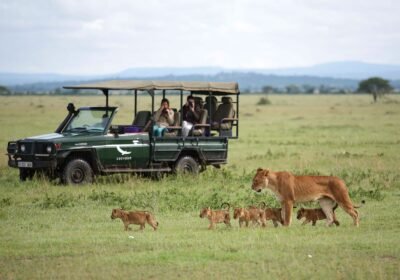
- Game drives: Low-impact vehicles on designated routes
- Birdwatching tours: Support avian conservation through specialized guiding
- Nature walks: Educational experiences with minimal environmental impact
- Boat safaris: Water-based viewing that doesn’t disturb terrestrial wildlife
2. Community Engagement & Cultural Exchange
- Homestay experiences: Direct income for local families
- Craft workshops: Support traditional skills and fair trade
- School visits: Educational exchanges (with proper protocols)
- Cultural performances: Preserve traditions through sustainable tourism
- Community walks: Learn about local livelihoods and conservation challenges
3. Eco-Conscious Accommodation Choices
- Solar-powered lodges: Reduce carbon footprint and deforestation
- Water conservation systems: Rainwater harvesting and greywater recycling
- Waste management: Comprehensive recycling and composting programs
- Local sourcing: Food and materials from nearby communities
- Green construction: Natural materials and minimal environmental impact
Uganda’s Premier Sustainable Safari Destinations
Bwindi Impenetrable National Park
- Conservation focus: Mountain gorilla protection and habitat preservation
- Community programs: Revenue sharing with Batwa and Bakiga communities
- Sustainable activities: Gorilla tracking, forest walks, cultural encounters
- Eco-lodges: Several certified sustainable accommodation options
- Impact: Direct linkage between tourism and gorilla population recovery
Queen Elizabeth National Park
- Conservation focus: Savanna ecosystem and predator protection
- Community programs: Fisherfolk cooperatives and craft initiatives
- Sustainable activities: Game drives, boat safaris, community visits
- Eco-lodges: Properties supporting lion conservation and anti-poaching
- Impact: Reduced human-wildlife conflict through tourism benefits
Kibale Forest National Park
- Conservation focus: Chimpanzee protection and forest corridor preservation
- Community programs: Bigodi Wetland Sanctuary community tourism
- Sustainable activities: Chimpanzee tracking, swamp walks, birding
- Eco-lodges: Forest-edge properties with strong community ties
- Impact: Alternative livelihoods reducing pressure on forest resources
Designing Your Sustainable Safari Itinerary
Sample Sustainable Safari Packages
- Primate Conservation Focus (7 days): Gorillas + chimpanzees + community engagement
- Wildlife & Culture Combination (10 days): Multiple parks + homestays + craft workshops
- Birding & Conservation (8 days): Specialized birdwatching + habitat restoration visits
- Family Sustainable Safari (9 days): Child-friendly activities + educational components
- Photography & Conservation (12 days): Wildlife photography + behind-the-scenes conservation
Seasonal Considerations for Sustainable Travel
- Dry seasons (Jun-Oct, Dec-Feb): Optimal wildlife viewing, higher visitor numbers
- Green seasons (Mar-May, Nov): Fewer crowds, lush landscapes, lower prices
- Sustainable choice: Shoulder seasons balance visitor experience with reduced pressure
- Conservation activities: Some projects have optimal participation seasons
Choosing Responsible Safari Operators
What to Look For
- Certifications: Membership in recognized sustainable tourism organizations
- Local employment: High percentage of Ugandan staff in guiding and management
- Community partnerships: Formal agreements with local communities
- Environmental policies: Documented sustainability practices
- Transparent pricing: Clear breakdown of conservation contributions
Questions to Ask Potential Operators
- What percentage of staff are from local communities?
- How do you contribute to conservation projects?
- What community partnerships do you maintain?
- What are your environmental policies (waste, water, energy)?
- Can you provide examples of your conservation impact?
Traveler Responsibilities in Sustainable Tourism
Pre-Trip Preparation
- Research: Understand conservation challenges in your destinations
- Packing: Bring reusable items, biodegradable products, appropriate clothing
- Expectations: Prepare for authentic rather than luxurious experiences
- Health: Ensure vaccinations are current to protect wildlife from human diseases
- Learning: Study basic local language phrases and cultural norms
During Your Safari
- Behavior: Follow all guide instructions and park regulations
- Photography: Respect distance requirements and avoid flash
- Shopping: Buy directly from artisans at fair prices
- Tipping: Follow local customs for fair compensation
- Feedback: Provide constructive input to improve sustainable practices
Measuring the Impact of Sustainable Safari Tourism
Conservation Outcomes
- Wildlife populations: Documented increases in key species
- Habitat protection: Reduced deforestation and land conversion
- Anti-poaching success: Decreased illegal hunting through alternative livelihoods
- Research advancement: Tourism-funded scientific studies
- Policy influence: Tourism success supporting stronger protection laws
Community Benefits
- Economic: Job creation, fair wages, business opportunities
- Infrastructure: Schools, clinics, clean water, roads improved
- Education: Scholarships and school support
- Healthcare: Medical services and health education
- Empowerment: Community decision-making in tourism management
The Future of Sustainable Safari Tourism in Uganda
Emerging Trends
- Carbon-neutral travel: Offsetting programs for international flights
- Digital monitoring: Reduced physical presence through technology
- Community ownership: Increasing local control over tourism assets
- Conservation finance: Blended funding models beyond tourism
- Regenerative tourism: Leaving destinations better than found
Challenges & Opportunities
- Climate change: Adapting to changing weather patterns
- Population growth: Balancing conservation with community needs
- Market education: Helping travelers understand sustainable choices
- Quality standards: Maintaining authentic experiences as demand grows
- Partnership scaling: Expanding successful models to new areas
Ready to Experience Sustainable Safari Tourism?
Plan Your Responsible Uganda Adventure
- Browse Sustainable Safari Packages – Find conservation-focused itineraries
- Explore Uganda Conservation Areas – Learn about parks and community projects
- Get Personalized Sustainable Safari Advice – Our experts can guide your planning
Take the Next Step
Want to ensure your safari makes a positive impact? Schedule a sustainable tourism consultation with our responsible travel specialists.
Related Reading:
- Eco-Friendly Gorilla Trekking in Uganda
- How Safari Fees Support Conservation
- Uganda Wildlife Experiences Beyond Gorillas
Sustainable safari tourism represents the future of wildlife travel—experiences that delight travelers while actively protecting what they come to see and supporting the communities that make conservation possible. At Bashem Safaris, we’re committed to responsible tourism that delivers exceptional wildlife encounters while making tangible contributions to conservation and community development in Uganda. Contact us today to plan your meaningful safari adventure that leaves a positive legacy.
Ready to Turn Inspiration Into a Safari?
You have been reading about it. Now let us help you plan it. Every safari we design is custom-built , your dates, your pace, your budget.