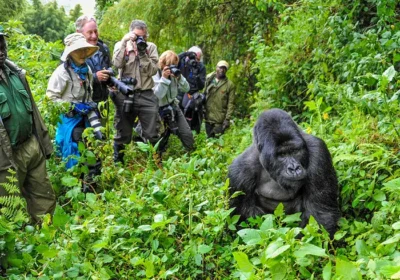
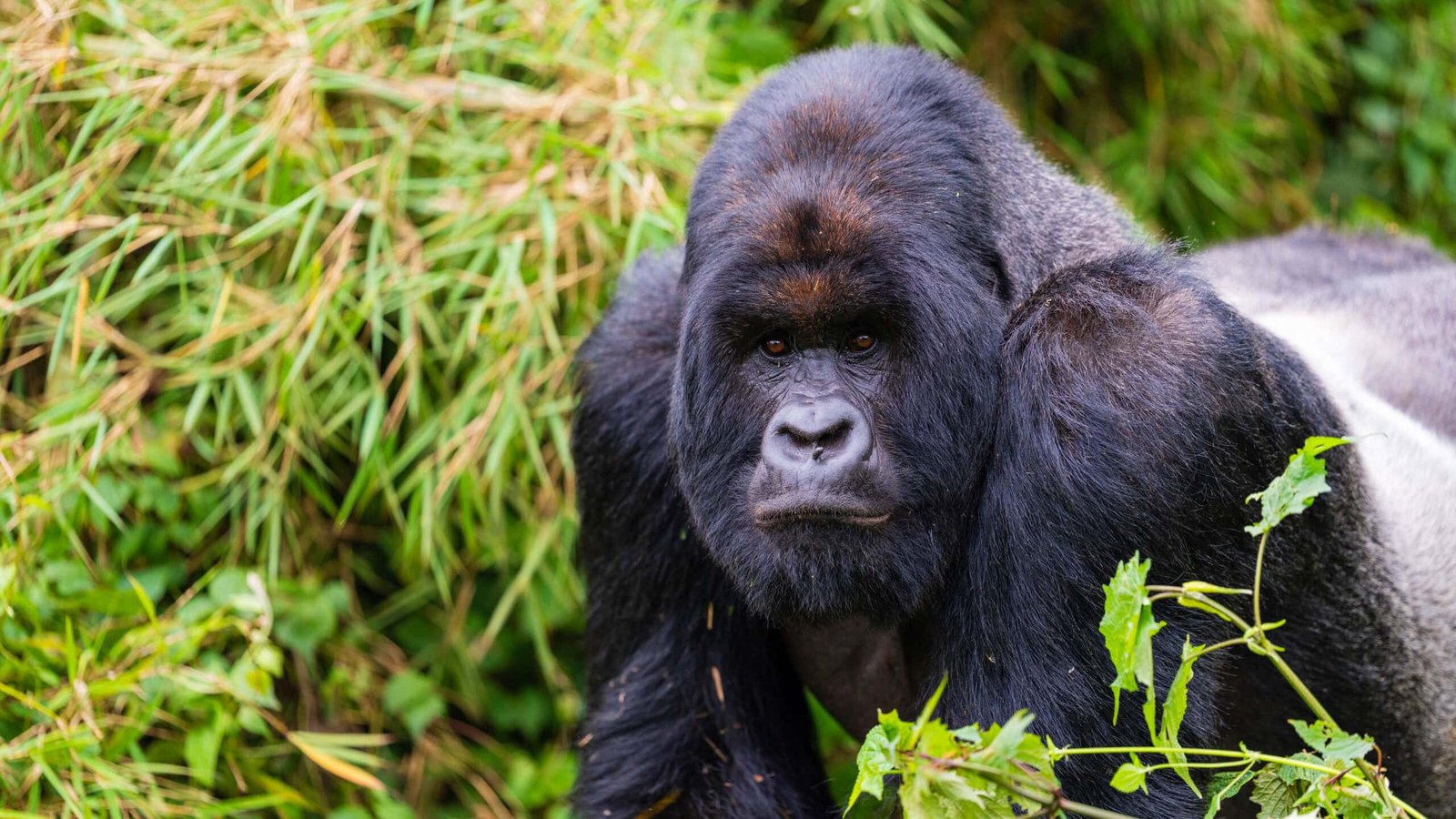
Only about 1,000 mountain gorillas are thought to remain in the wild. Ever wonder how tourism plays a role in helping protect them? Uganda Gorilla Trekking Supports is conservation and community-focused. It is an experience that surpasses the mere observation of wildlife. It directly supports habitat protection and local livelihoods. Uganda and Rwanda reinvest the trekking revenue in preserving forests and wildlife. This trade-off between tourism and preserving a place for all time also has longer-term gains. Knowing this effect can help travellers make responsible decisions.
The Value of Gorilla Tracking for Wildlife Conservation
Gorilla trekking is also conservation funded through direct cash. Permit fees are for park management and forest conservancy. Rangers also take daily attendance of gorilla families to ensure they are safe. Veterinary crews move fast when there’s a health threat. The constant surveillance has helped curb poaching and habitat destruction. Gorilla Trekking Uganda also contributes to ensuring the gorilla populations remain stable. Rwanda follows similar conservation practices. The revenue from tourism provides wildlife with an economic value that deserves protection.
Tourism for the Protection of Forest Habitats
Healthy forest ecosystems are important for mountain gorillas. Trekking income supports patrols in the forest and restoration work. These measures also help to stop illegal logging and land invasion. Many other animals also inhabit protected forests. Viable ecosystems help improve water supplies and the quality of soil. Governments are paid to preserve the natural habitats that make gorilla trekking possible. The responsibility is shared between the authorities and the communities.
The Benefits of Gorilla Trekking to Local Communities
Trekking provides direct benefits to local communities. Schools, clinics, and clean water projects are supported by revenue sharing. Jobs are created through counseling and support. Large numbers of island residents are employed in menial work as porters, rangers, and staff. These positions learn to rely less upon forest resources. Gorilla Trekking Uganda is creating a shift in these communities’ perception of wildlife as an asset. Rwanda applies similar community-focused approaches.
Community-based Ownership and Conservation Consciousness
Conservation is most successful when there’s local buy-in. Gorilla trekking excursions contribute to education and knowledge. Local populations are educated on how conservation protects the future of their children. Youth programs promote environmental responsibility. Local involvement reduces human-wildlife conflict. Folks defend that which supports them. Gorilla trekking fosters a common goal among parks and local communities.
Regulated Tourism and Visitor Management
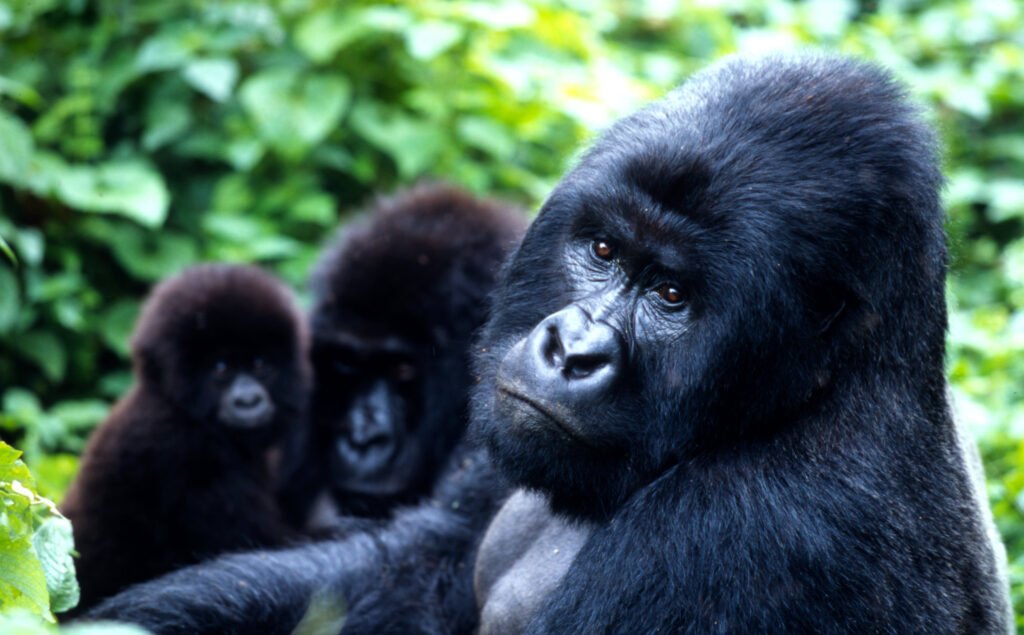
Visits to see gorillas are strictly limited. Only small groups tour each gorilla family daily. As a result, stress and disease transmission are minimized. It is enforced strictly about staying healthy and keeping a distance. Managed tourism is the guardian of gorilla behaviour and habitat. Gorilla Trekking in Uganda is more about the animals than it is about visitors. Rwanda applies similar regulations. Quality experiences replace mass tourism.
Health Assessment and Veterinary Support
Mountain gorillas are closely related to humans. This makes them susceptible to human diseases. Money from the trekking fees is used for health checks and veterinary care. Teams track gorilla health daily. Early intervention prevents disease outbreaks. These interventions have dramatically increased survival. Gorilla trekking has a direct benefit in the service of science and conservation.
Economic Value as a Conservation Incentive
Wildlife becomes economically valuable to tourists. Governments get serious about conservation when there’s money to be made from development. Gorilla trekking drives foreign revenue and local employment. This revenue lowers the temptation to clear forests. Conservation becomes economically sustainable. That’s the secret of success, Belgium reveals to the rest of society, from Gorilla Trekking Uganda, wildlife protection can contribute to national economies. Rwanda also thrives on this model.
Sustainable Tourism and Lasting Development Impact
Sustainable Safari Tours Uganda are about longevity. Gorilla trekking is a delicate balance between visitor demand and conservation requirements. Infrastructure construction is still confined to parks. Environmental impact remains minimal, so long as the regulations are enforced. Responsible tourism helps promote further conservation. You can see the same approach in those Ugandan Conservation Travel with Sustainable Safari Tours Uganda. Sustainability guarantees that gorillas will survive for generations to come.
Conservation Models: a Comparison
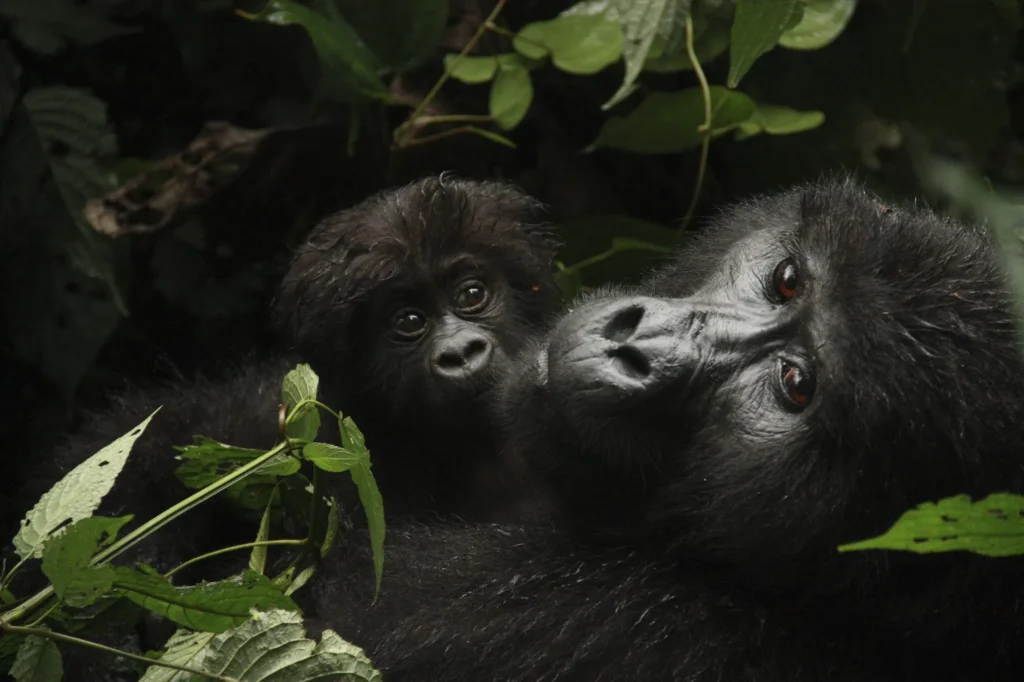
Uganda and Rwanda employ variations of a similar model. While Uganda makes gorilla visits more accessible and extensive, Rwanda offers unique, premium tourism opportunities. The success of each model depends on visitors. The Gorilla Trekking Uganda model highlights the role of accessibility and community benefits. Rwanda model’s emphasis is on exclusivity and strong funding.
Conclusion
The future of gorilla populations shows slow but positive growth; however, strong protection is still required. Both climate change and human activity continue to influence their development. Revenue from trekking plays a major role in supporting consistent conservation efforts, especially through initiatives like the Rwanda Gorilla Safari, which helps fund habitat protection. Education programs and community funding further contribute to safeguarding gorillas. Gorilla trekking in Uganda has also had a positive impact on conservation, while the Rwanda Gorilla Safari stands out as another successful example of sustainable wildlife tourism.
For more information, follow my Pinterest page.
FAQ
How does gorilla trekking help conservation?
It pays for park protection, monitoring, and veterinary care;
Do local communities benefit from trekking?
Yes, the revenue creates jobs and funds community development.
Is it safe for gorillas?
Strict rules help maintain the health and behaviour of the gorillas.
Why are visitors restricted on treks?
Limitations reduce the chances of stress infections in gorillas.