Eco-Friendly Gorilla Trekking in Uganda: A Complete Guide to Conservation-Focused Safari Travel
What if your dream gorilla encounter could actively contribute to protecting these magnificent creatures rather than merely observing them? Eco-friendly gorilla trekking transforms wildlife tourism from passive viewing into active conservation. In Uganda, where mountain gorilla populations have increased by nearly 50% in recent decades, responsible tourism plays a crucial role in this success story. This guide shows you how to experience unforgettable gorilla encounters while ensuring your visit supports conservation, empowers local communities, and preserves Uganda’s precious rainforests for generations to come.
The Conservation Success Story: Uganda’s Gorilla Recovery
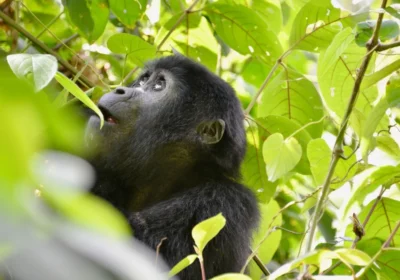
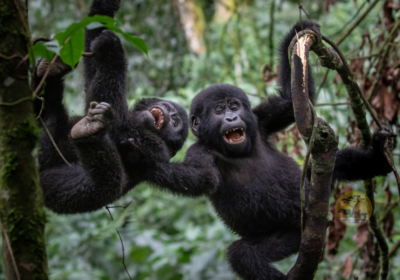
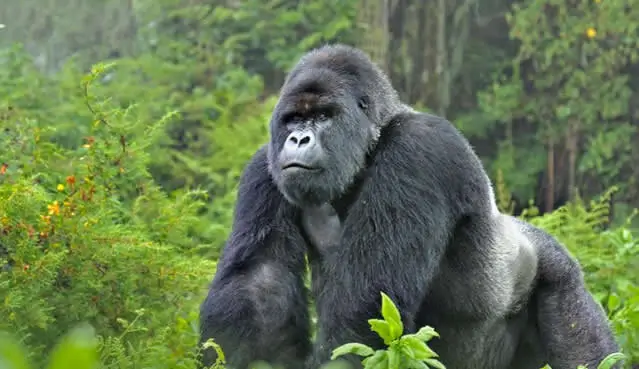
Uganda’s mountain gorilla population represents one of Africa’s greatest conservation success stories. From critically low numbers in the 1980s, Uganda now protects nearly half of the world’s remaining mountain gorillas. This remarkable recovery demonstrates how well-managed tourism, combined with community engagement and strict protection measures, can save endangered species.
Key Conservation Achievements
- Population growth: From 300 to nearly 500 mountain gorillas in Uganda
- Habitat protection: Bwindi Impenetrable National Park designated UNESCO World Heritage Site
- Community involvement: 20% of park revenue shared with local communities
- Research advancements: Continuous monitoring and veterinary care programs
- Tourism model: Sustainable visitor limits that prioritize gorilla welfare
How Your Gorilla Trekking Fees Support Conservation
Every gorilla trekking permit represents a direct investment in conservation. Understanding where your money goes helps appreciate the true value of this experience.
Permit Revenue Allocation
- Park protection (40%): Ranger salaries, anti-poaching patrols, equipment
- Community development (20%): Schools, clinics, clean water projects
- Research & monitoring (20%): Gorilla health studies, population tracking
- Infrastructure (10%): Trail maintenance, visitor centers, staff housing
- Administration (10%): Park management and coordination
The $800 Question: Is It Worth It?
While $800 per permit may seem expensive, consider that this fee funds:
- 24/7 armed protection for gorilla families
- Veterinary care for injured or sick gorillas
- Education for hundreds of local children
- Alternative livelihoods that reduce poaching pressure
- Scientific research informing global conservation strategies
Principles of Eco-Friendly Gorilla Trekking
1. Minimal Impact Visitor Guidelines
- Group size limits: Maximum 8 visitors per gorilla family daily
- Time restrictions: One hour with gorillas to minimize disturbance
- Distance requirements: 7-meter minimum (increased during COVID to 10 meters)
- Health protocols: Mandatory masks if showing any respiratory symptoms
- Behavior rules: No loud noises, sudden movements, or flash photography
2. Responsible Traveler Behavior
- Disease prevention: Stay home if ill—human diseases can be fatal to gorillas
- Waste management: Pack out all trash, including biodegradable items
- Trail etiquette: Stay on designated paths to prevent habitat damage
- Cultural respect: Follow guide instructions and respect local customs
- Photography ethics: Use natural light, avoid disturbing behavior
Choosing Eco-Conscious Safari Operators
What to Look For in a Responsible Operator
- Certifications: Membership in recognized sustainable tourism organizations
- Local employment: Guides, drivers, and staff from surrounding communities
- Environmental policies: Waste reduction, water conservation, energy efficiency
- Community partnerships: Direct support for local projects and businesses
- Transparent pricing: Clear breakdown of costs and conservation contributions
Red Flags to Avoid
- Operators promising closer encounters than regulations allow
- Lack of community engagement or local employment
- No environmental policies or sustainability practices
- Unusually low prices that may cut corners on conservation contributions
- Poor treatment of staff or disregard for park rules
Community-Based Conservation: The Human Element
Why Local Communities Matter
Gorillas don’t recognize park boundaries—they roam through areas where people live and farm. Successful conservation requires local support, which comes when communities benefit directly from tourism.
Community Benefits from Gorilla Tourism
- Employment: Guides, trackers, porters, lodge staff, craft makers
- Revenue sharing: 20% of park entrance fees returned to communities
- Infrastructure: Schools, health centers, roads, clean water systems
- Enterprise development: Homestays, cultural performances, craft cooperatives
- Education: Conservation awareness programs in local schools
Visiting Community Projects
- Batwa cultural experiences: Learn from forest-dwelling indigenous people
- Community walks: Visit schools, clinics, and agricultural projects
- Handicraft cooperatives: Support local artisans through fair-trade purchases
- Conservation education centers: Understand the human-wildlife interface
- Homestays: Experience local hospitality and contribute directly to families
Eco-Friendly Accommodation Options
What Makes Lodges Eco-Friendly?
- Energy: Solar power, energy-efficient systems, limited generator use
- Water: Rainwater harvesting, greywater recycling, water-saving fixtures
- Waste: Comprehensive recycling, composting, plastic reduction
- Construction: Local materials, minimal environmental impact, blending with landscape
- Community: Local employment, sourcing from nearby suppliers, community projects
Recommended Eco-Lodges Near Bwindi
- Budget eco-options: Community-run campsites and basic lodges
- Mid-range eco-lodges: Comfortable accommodations with strong sustainability practices
- Luxury eco-retreats: High-end lodges with exceptional environmental credentials
- Choosing criteria: Look for recognized eco-certifications and transparent practices
Packing for an Eco-Friendly Gorilla Trek
Essential Eco-Conscious Gear
- Reusable water bottle: Avoid single-use plastic bottles
- Biodegradable toiletries: Soap, shampoo, sunscreen that won’t harm ecosystems
- Proper footwear: Broken-in hiking boots to prevent blisters and waste
- Layered clothing: Natural fibers, neutral colors, rain protection
- Camera with zoom: Respect distance requirements while capturing memories
- Small backpack: For carrying essentials without excess
What to Leave Behind
- Single-use plastics (bags, bottles, packaging)
- Non-biodegradable personal care products
- Excessive packaging and disposable items
- Brightly colored clothing that may disturb wildlife
- Food items that could attract animals to trails
Beyond Gorillas: Comprehensive Eco-Safari Experiences
Combining Gorilla Trekking with Other Conservation Activities
- Forest restoration: Participate in tree planting initiatives
- Wildlife monitoring: Assist researchers with data collection (where permitted)
- Community projects: Volunteer time with local conservation initiatives
- Educational visits: Tour research centers and conservation headquarters
- Birding safaris: Support avian conservation through specialized tours
Extended Eco-Safari Itineraries
- Gorillas & chimpanzees: Primate conservation focus in multiple parks
- Forest to savannah: Compare different ecosystem conservation approaches
- Community immersion: Extended stays with conservation-focused communities
- Conservation learning safari: Educational journey with experts and researchers
Measuring Your Impact: Responsible Tourism Metrics
Positive Contributions You Can Make
- Direct conservation funding: Permit fees, park entries, conservation donations
- Community economic support: Local purchases, fair wages, tip distributions
- Environmental stewardship: Low-impact travel choices, waste reduction
- Cultural exchange: Respectful engagement, learning from local perspectives
- Advocacy: Sharing your experience to promote responsible tourism
Avoiding Unintended Negative Impacts
- Disease transmission: Following health protocols rigorously
- Habitat disturbance: Staying on trails and following guide instructions
- Cultural insensitivity: Learning local customs and showing respect
- Economic leakage: Choosing locally owned businesses and services
- Wildlife stress: Maintaining proper distance and behavior
The Future of Gorilla Conservation Tourism
Emerging Trends in Eco-Tourism
- Carbon-neutral travel: Offsetting flight emissions through verified programs
- Digital monitoring: Using technology to reduce physical presence impacts
- Community ownership: Increasing local control over tourism enterprises
- Conservation financing: Innovative funding models beyond tourism
- Visitor education: Enhanced pre-arrival training on responsible behavior
Your Role in Sustainable Conservation
As a responsible traveler, you become part of Uganda’s conservation story. Your choices—from which operator to book with, to how you behave in the forest—directly impact the future of mountain gorillas and the communities that protect them.
Ready to Plan Your Eco-Friendly Gorilla Adventure?
Start Your Responsible Safari Journey
- Browse Eco-Friendly Gorilla Trekking Packages – Find conservation-focused itineraries
- Learn About Uganda Conservation Areas – Explore Bwindi and other protected parks
- Get Personalized Eco-Safari Advice – Our conservation experts can guide your planning
Take the Next Step
Want to ensure your safari supports conservation? Schedule an eco-tourism consultation with our responsible travel specialists.
Related Reading:
- How Gorilla Trekking Fees Support Conservation
- Personal Gorilla Conservation Experience in Bwindi
- Best Seasons for Conservation-Focused Gorilla Trekking
Eco-friendly gorilla trekking represents the future of wildlife tourism—experiences that delight travelers while actively protecting what they come to see. At Bashem Safaris, we’re committed to conservation-focused travel that benefits gorillas, supports communities, and preserves Uganda’s natural heritage. Contact us today to plan your meaningful gorilla adventure that makes a positive difference.
Ready to Turn Inspiration Into a Safari?
You have been reading about it. Now let us help you plan it. Every safari we design is custom-built , your dates, your pace, your budget.