The jungle is quiet except for the sound of leaves moving under massive hands.
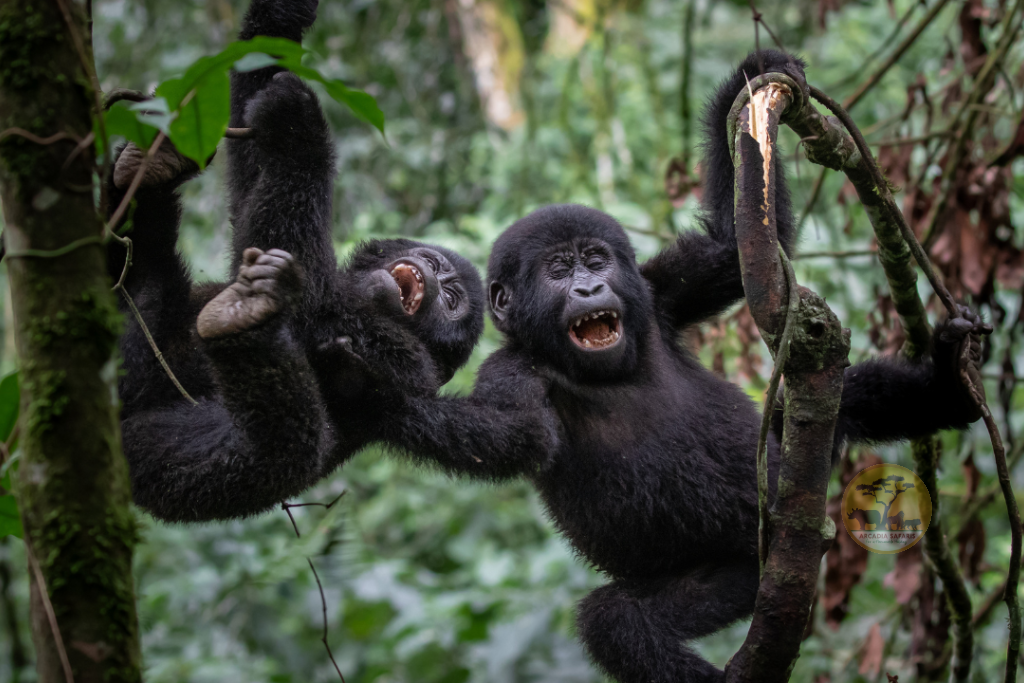
A silverback gorilla sits just a few feet away, watching calmly as your guide whispers, “Stay still.” Around him, young gorillas tumble through vines while a mother cradles her baby in the morning mist.
For most travelers, this moment feels unreal, like stepping into a nature documentary.
But what many people don’t realize is that 2026 may be one of the best years ever to experience gorilla trekking in East Africa.
Tourism infrastructure in Uganda and Rwanda has improved dramatically, conservation programs have strengthened gorilla populations, and guided trekking experiences are safer and more organized than ever before.
At the same time, demand for wildlife experiences is rising quickly, meaning the travelers who plan early in 2026 are securing some of the most unforgettable encounters on Earth.
If gorilla trekking has ever been on your bucket list, here’s why this is the year to finally make it happen.
1. Gorilla Populations Are Stronger Than Ever
One of the most remarkable conservation success stories in the world is happening in the mountains of East Africa.
Just a few decades ago, mountain gorillas were critically endangered. Today, thanks to international conservation efforts and responsible tourism, the population has grown to over 1,000 individuals in the wild.
Most of these gorillas live in two protected regions:
- Bwindi Impenetrable Forest in Uganda
- Volcanoes National Park in Rwanda
Tourism plays a direct role in protecting these animals. Every gorilla trekking permit helps fund:
- Wildlife rangers
- Anti-poaching patrols
- Veterinary care for injured gorillas
- Community development projects near national parks
Because of this funding model, gorilla trekking has become one of the most sustainable wildlife tourism experiences in the world.
For travelers, this also means the trekking experience is incredibly well managed. Only a limited number of visitors are allowed to see each gorilla family every day, ensuring that encounters remain intimate and safe for both humans and animals.
In 2026, conservation programs continue to expand, and tourism authorities in Uganda and Rwanda are investing heavily in responsible travel.
The result?
Visitors today experience a rare combination of adventure, conservation, and ethical tourism that few destinations can match.
2. East Africa Has Never Been Easier (or Safer) to Travel
Many first-time safari travelers worry about logistics.
Questions often include:
- Is it safe?
- Will the guides be trustworthy?
- Is the travel complicated?
The reality is that Uganda and Rwanda have developed some of the most organized safari systems in Africa.
Gorilla trekking is conducted under strict regulations designed to protect visitors and wildlife.
Each trekking group includes:
- Professional park rangers
- Expert trackers
- Local guides trained in wildlife safety
- Small groups (usually 8 visitors or fewer)
This structure ensures visitors are never navigating the jungle alone. Experienced trackers locate gorilla families early each morning before trekkers even begin hiking.
Meanwhile, tourism infrastructure continues to improve. Lodges near gorilla parks now offer:
- Luxury eco-lodges
- Comfortable mid-range safari lodges
- Personalized guiding services
- Reliable transportation networks
Air access has also improved significantly in recent years, with more international flights connecting travelers from North America to East African gateways like Kigali and Entebbe.
For travelers aged 35–65 who want both adventure and comfort, this balance makes gorilla trekking far more accessible than many people imagine.

3. Uganda vs Rwanda: Which Gorilla Trekking Experience Is Right for You?
Both Uganda and Rwanda offer extraordinary gorilla trekking experiences, but they differ in ways that may influence your decision.
Uganda: The Adventurer’s Choice
Uganda’s Bwindi Impenetrable Forest offers a deeply immersive jungle experience.
Highlights include:
- Dense rainforest landscapes
- Longer trekking adventures
- More gorilla families available for visits
- Lower permit costs (as of March 2026, cost is around $800)
Uganda is ideal for travelers who want a classic safari journey combined with gorilla trekking.
Many itineraries also include:
- Game drives in Queen Elizabeth National Park
- Boat safaris along the Kazinga Channel
- Chimpanzee tracking in Kibale Forest
This creates a diverse wildlife experience beyond gorillas alone.
Rwanda: The Luxury Shortcut
Rwanda’s Volcanoes National Park is closer to the capital city of Kigali, making travel logistics simpler.
Advantages include:
- Shorter travel time from the airport
- More luxury lodge options
- Well-maintained trekking trails
The main difference is price, gorilla permits in Rwanda are currently about $1,500 per person.
For travelers seeking a shorter but premium wildlife experience, Rwanda offers convenience and exceptional service.
4. Why Traveling with Local Experts Makes All the Difference
One of the biggest concerns travelers have when planning safaris is choosing the right operator.
Online booking platforms and international agencies sometimes hide important details:
- Who your guide will be
- How experienced the company is locally
- Whether your trip supports local communities
This is where working with a locally rooted company like Bashem Safaris makes a difference.
Bashem Safaris was founded by Emmanuel, a Ugandan safari expert who understands both the landscapes and the culture of East Africa.
Instead of generic travel packages, Bashem focuses on:
- Personalized safari planning
- Trusted professional guides
- Carefully selected lodges
- Authentic cultural experiences
Because the company operates locally, travelers benefit from insider knowledge that international agencies often miss.
That includes:
- Choosing the best gorilla trekking sector for your fitness level
- Avoiding overcrowded routes
- Pairing gorilla trekking with the most rewarding wildlife parks
Most importantly, travelers gain peace of mind knowing that their safari is organized by people who live and work in the region every day.
Conclusion
Standing face-to-face with a mountain gorilla is one of the most powerful wildlife experiences on Earth.
Few moments compare to watching a silverback quietly lead his family through mist-covered forests.
In 2026, gorilla trekking in East Africa offers the perfect combination of:
- Strong conservation success
- Improved travel infrastructure
- Safe, well-organized trekking systems
- Unforgettable wildlife encounters
For travelers who have dreamed of Africa for years, this may be the ideal time to turn that dream into reality.
Planning early ensures you secure gorilla permits, the best guides, and the most rewarding safari experience possible.
Want expert help planning your Uganda safari? Send us your inquiry through our contact page.
Complete Gorilla Trekking Guide
Gorilla Trekking Costs: Uganda & Rwanda
Best Time to Visit East Africa in 2026