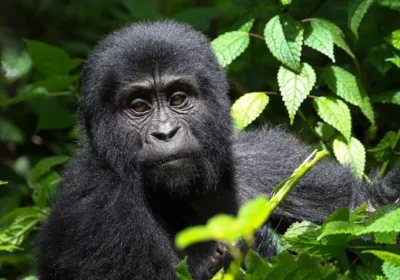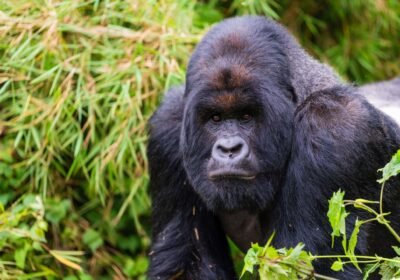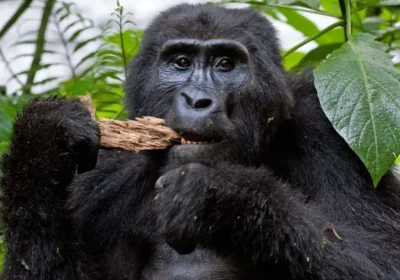
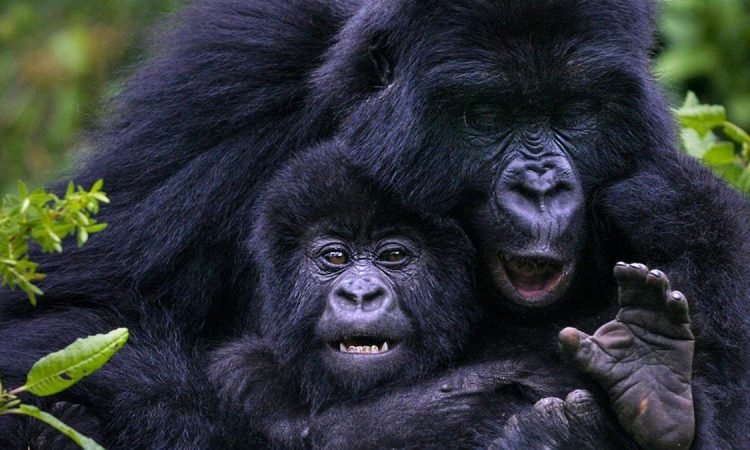
Gorilla Trekking Uganda is the practice of hiking through forests to view mountain gorillas. Guides lead small groups into protected areas. There are treks of different skill and length. The thin jungle and rugged topography define the experience. Each trek concludes with an hour near a gorilla family. This cap benefits both the gorillas and human visitors.
Where You Can Go Gorilla Trekking
There are two primary trekking areas in Uganda. Among the others: Bwindi Impenetrable Forest and Mgahinga National Park. Both are located in the southwest. Bwindi has dense forest and more gorillas. Mgahinga has good views of several volcanoes and fewer groups. Every place offers its own trekking ambience.
The Reason Behind Gorilla Trekking Permits
Allows for limiting visitor numbers and ensuring animal welfare. Each permit is for one trek on a designated date. Authorities limit daily permits strictly. It reduces stress on gorilla families. Fees also support conservation and local communities. Its prominence means booking early is essential, as it’s in high demand.
Where to Get Gorilla Trekking Permits
Permits are obtained from government wildlife agencies. Permits can be reserved months in advance by travellers. Available seasonally and by location. Dates during high season sell out fast. Early planning avoids last-minute disappointment. Permission confirmation needs to be done before the date of trekking day.
What Does the Cost of Permits Actually Cover
The cost of the permit includes entrance to the park and an escort ranger service. Guides track gorilla movements daily. Armed rangers ensure visitor safety. Fees also support conservation projects. Tourists’ spending helps the development of communities. Prices can fluctuate, so visit the Girl & the Fig homepage for current rates when booking.
When is the Best Time to Go Gorilla Trekking
The most favourable trekking season is the dry season. The former are from June to September and December to February. Trails are less muddy in dry months. Visibility improves in clearer weather. The rainy season means fewer visitors and a deep-green landscape. But the trails are slippery and difficult.
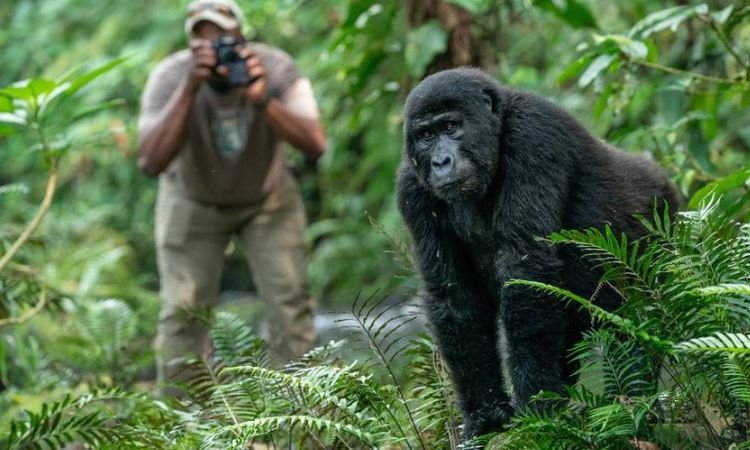
Weather and Trekking experience
Uganda’s climate remains mild year-round. It is actually precipitation more than temperature that affects forest conditions. Morning hikes, meanwhile, usually commence cool and misty. Afternoon rain showers are common. Good shoe makes the difference in wetter conditions. The weather affects the difficulty of your trek, not whether you see gorillas.
Midway Travel Tips for Your Trip
At this point, many travellers make decisions about their travel plans. Bwindi Gorilla Trekking in Uganda needs a little bit of fitness and a little patience. Trek lengths can be from one to six hours. Hikers can be helped by porters. Bring water, snacks, and a raincoat. Preparation improves enjoyment and safety.
Physical Demands and Difficulty of Trek
The tracks are steep and covered with thick vegetation. The trails are rugged and somewhat narrow. Guides move at a pace suitable for the group. You can ask for an easier gorilla family. It’s good to have an honest fitness assessment that guides better plans. The experience is okay for most normal, healthy adults.
Guidance to be observed while tracking gorillas
Gorillas and visitors are heavily protected. Maintain distance at all times. Don’t make any sudden moves and avoid making loud noises. Flash photography is not allowed. Visitors who are sick should delay their hike. These rules save lives by lowering the risk of spreading illness.
The Cultural and Wildlife Value
Gorilla trekking is helping to ensure conservation success. Residents can benefit from tourism jobs. Visitors learn about forest ecosystems. The experience raises awareness for animals that are at risk of extinction. Encounters feel personal and emotional. It is for many travellers life-altering.”
Combining Gorilla Trekking with other Safaris.
Many travellers stay on after they trek. Activities range from birding and game viewing. Bwindi Gorilla Trekking and Uganda Wildlife Safari experiences match fairly well. This pair of habitats provides for both forest and savannah animals. Parks are spread, so Gogra Mustard Park can only be visited after a long drive from Chirag and the Biodiversity Park. Multi-park visits add great depth to the trip.
Planning Pitfalls to Avoid
Problems arise due to late permit bookings. Misjudging the trek difficulty causes discomfort. Ignoring weather conditions affects safety. Skipping travel insurance creates risk. Poor preparation reduces enjoyment. Planning prevents these problems.
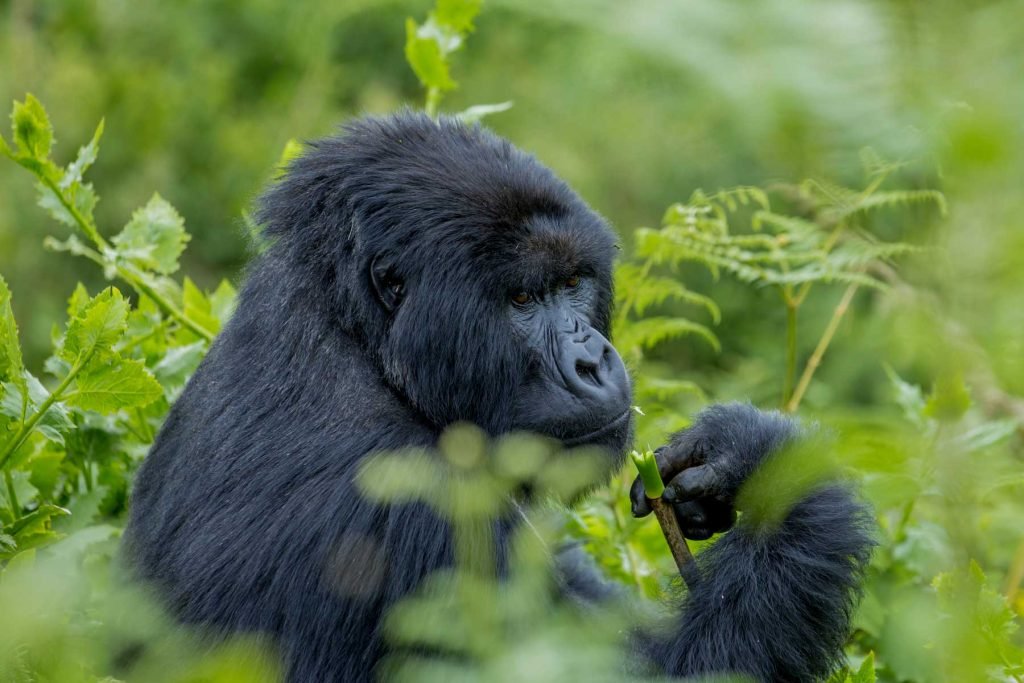
Conclusion on Gorilla Trekking in Uganda, and that’s it!
This is adventure, conservation, and wildlife connection all rolled into one experience. A little bit of thoughtful work goes a long way to keep you comfortable and on track. Uganda Gorilla Trekking still goes down as one of Africa’s great things to do. Knowing permit timing makes the ride smoother. Effort, when prepared appropriately, becomes an unforgettable reward.
Frequently Asked Questions
How close do you get to gorillas?
Visitors keep their distance at about 23 feet. This distance protects both parties.
Can children accompany parents on gorilla treks?
Trekking is only for visitors 15 years and above. This rule ensures safety.
What to wear for the hike?
Get out the long sleeves, boots, and rain gear. Neutral colours work best.
Can I trek if it rains?
Yes, treks continue in the rain. Weather rarely cancels scheduled treks.
How many people hike per group?
Eight visitors are admitted to each gorilla family. Small groups reduce impact.